Call Us Now For Service:
The Trusted Local Experts
Schedule your appointment today!
What you get from Service Air:
Schedule your appointment today!


Oftentimes, air quality problems result from poor ventilation. This is usually the result of an inefficiency that needs to be addressed within your home’s HVAC system. Identifying that inefficiency through an air quality assessment will ultimately result in a decrease on your monthly energy bills!
Poor air quality can lead to all sorts of health issues. Those health issues can include but are not limited to: headaches, fatigue, nasal irritation, and a scratchy throat. An indoor air quality assessment can detect the indoor air pollutants causing air quality issues in your home. If left unaddressed, those indoor air pollutants can eventually lead to dangerous respiratory issues, heart problems, and in rare cases, even cancer.
An indoor air quality assessment is able to locate the source of any odors circulating throughout your home. Those odors could be from mold, rodents, smoke, or other airborne pollutants and getting an assessment done is the first step in addressing them.
An indoor air quality assessment will diagnose general issues that can be addressed to help make your home more comfortable overall. For example, an indoor air quality assessment can recognize high humidity or another factor limiting comfort levels. From there, our team will help identify the next course of action in getting your home healthy and comfortable!

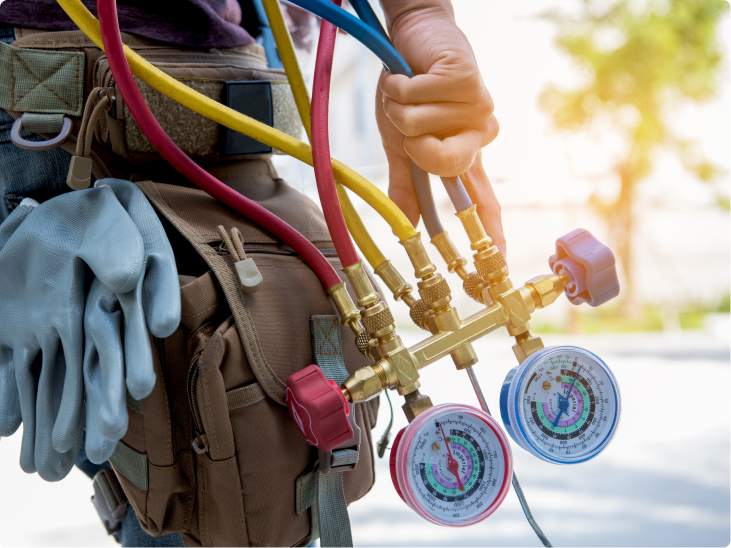
In the Silverhill, AL area, spring often brings increased levels of allergens such as pollen, as well as fluctuating weather conditions that can affect air quality. An air quality assessment will help identify potential pollutants and allergens, ensuring a healthier environment for individuals with respiratory issues or allergies.
An air quality assessment involves measuring various pollutants like particulate matter, volatile organic compounds (VOCs), mold spores, and pollen levels. Our air quality assessment services utilize advanced equipment to analyze indoor and outdoor air quality and provide actionable recommendations.
People with asthma, allergies, or other respiratory conditions benefit significantly from springtime air quality assessments. Additionally, households and businesses looking to create healthy indoor environments can also gain valuable insights from an air quality assessment.
After an assessment, common recommendations your Service Air technician may make include using air purifiers, maintaining HVAC systems, sealing windows and doors to prevent pollen entry, and keeping indoor spaces clean to minimize dust and mold buildup.
It is generally recommended to conduct air quality assessments annually, especially during peak seasons like spring, when allergens and other air quality hazards are more prevalent. However, if you notice any changes in your indoor air quality or have concerns about your indoor environment, it is best to schedule an assessment sooner.
While there are some simple at-home methods like using test kits for specific pollutants, hiring professionals at Service Air will provide more accurate and comprehensive results. DIY methods may not be able to detect all potential pollutants and may not provide actionable recommendations for improving air quality.

At Service Air, we are committed to ensuring that individuals with disabilities enjoy full access to our websites. In recognition of this commitment, we are in the process of making modifications to increase the accessibility and usability of this website, using the relevant portions of the Web Content Accessibility Guidelines 2.0 (WCAG 2.0) as our standard. Please be aware that our efforts are ongoing. If at any time you have difficulty using this website or with a particular web page or function on this site, please contact us by phone at (251) 306-2761; or email us at ([email protected]) and place “Web Content Accessibility (ADA)” in the subject heading and we will make all reasonable efforts to assist you.